
APP is done and dusted for another year and if you attended you would have heard the same message repeated across many sessions.
Community pharmacy must move beyond the script.
Pharmacists are stepping further into clinical care, preventative health and broader primary healthcare services. It is an exciting direction for the profession and one that clearly resonated throughout the conference.
But as we discussed during our post APP tea meeting at Peak Strategies, “beyond the script” is the vision for the profession. It is not the strategy.
The strategy is what pharmacy owners do next.
Expanded pharmacy services succeed when pharmacy owners actively position their pharmacy as a trusted local healthcare hub and lead the conversation within their community.
That means building relationships with local schools, daycares and sporting clubs. It means collaborating with nearby GPs and allied health providers. It means educating patients about how pharmacists can support their health beyond dispensing medication.
In short, the pharmacies that succeed are the ones that lead locally.
The Financial Reality
Before introducing new services, pharmacy owners understandably want to know whether they are financially viable.
The good news is that most clinical services are relatively simple to model.
If a consultation is priced at $35 and takes around 15 minutes of pharmacist time, the labour cost may sit somewhere around $17 to $20 depending on wage structure. For the purpose of our example, we will work with $18.50 per consultation.
At eight consultations per day, that equates to gross income of roughly:
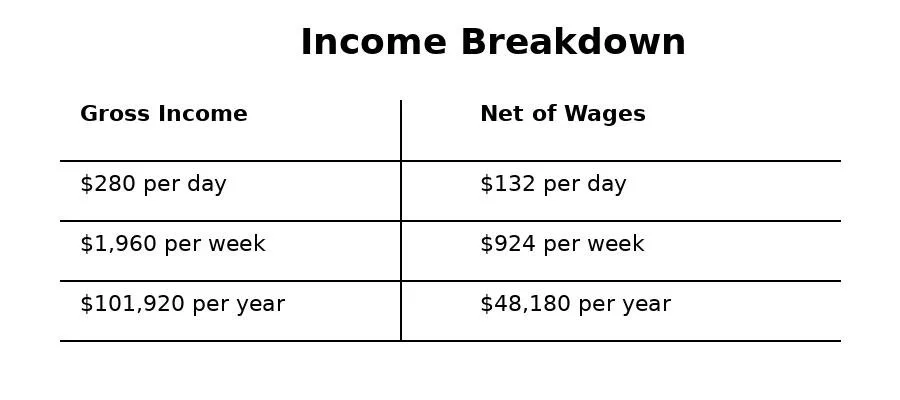
*Note that all other costs have not been taken into account in this example AND this does not include the income from the additional prescription loyalty, retail purchases and patient retention that often comes with clinical care.
Infrastructure can also become a consideration. Many pharmacies already have consultation rooms for vaccinations, however as services expand some may find that one room quickly becomes a bottleneck.
When vaccinations, prescribing services and consultations compete for the same space, a second consultation room can significantly increase service capacity.
But in our experience infrastructure is rarely the real barrier.
Leadership is.
This is Already Happening
Across Australia we are already seeing pharmacies who have embraced expanded services and are absolutely thriving.
These pharmacies are not waiting for patients to ask what services they offer. They are actively educating their communities, investing in consultation spaces and building strong local networks with GPs, schools, councils and community groups.
The result is strong uptake of services, deeper patient relationships and increased loyalty from their local community.
Most importantly, these pharmacies have repositioned themselves from simply being a place to collect medication to becoming a trusted local healthcare destination.
Which proves something important.
This shift is not theoretical. It is already happening.
Sometimes the Biggest Barrier Is Fear
One of the standout moments at APP 2026 came from keynote speaker Jana Pittman.
She spoke about how fear often holds people back from stepping into something new. Fear of getting it wrong. Fear of change. Fear of the unknown.
But her message was simple.
Sometimes the best thing you can do is just start.
That sentiment resonates strongly when thinking about pharmacy services.
Many pharmacy owners can see the opportunity. They understand the direction the profession is heading.
The hesitation often comes from wondering where to begin.
But the pharmacies now thriving with expanded services did not start with a perfectly mapped-out strategy.
They started small. They tried something. They learnt from it and kept building.
Sometimes the hardest step is simply getting started.
Pharmacy Owners Must Lead This Locally
Industry conversations alone will not change how communities use their pharmacy.
Government pilots and professional discussions are important, but the real change happens locally.
Your community will not automatically realise their pharmacist can support them with a wider range of health services.
You must show them.
And that responsibility sits with pharmacy owners.
Think Like a Community Health Hub
Pharmacies that succeed with services rarely stay within the four walls of the pharmacy.
They actively build relationships across their community.
This might include working with:
• local daycares and schools
• sporting clubs
• local council health initiatives
• nearby GP clinics
• allied health providers
These connections create trust and awareness, which naturally leads to service uptake.
When pharmacies embed themselves in the local healthcare ecosystem, services become a natural extension of the pharmacy’s role.
Marketing is Education
Another common challenge is communication.
Putting a poster on the door about a new service is not marketing.
Education is marketing.
Explain when someone should see a pharmacist. Introduce the pharmacist who delivers the service. Show the consultation room. Explain how easy it is to book.
When patients understand what the service is and how it works, they are far more likely to use it.
The Real Opportunity
Community pharmacy already sits at the center of many local communities.
Pharmacies are accessible. They are trusted. They are visited regularly.
Expanding healthcare services is simply about making that value visible.
APP highlights where the profession is heading and brings together some of the brightest minds in pharmacy.
The real opportunity begins when pharmacy owners return home and start applying those ideas within their own communities.
Because the future of community pharmacy will ultimately be shaped not just by industry conversations, but by the pharmacies that choose to lead locally.